

A lot of projects are still trying to win the old way: with a longer list, a softer rendering, a few hospitality cues, a wellness room, a lounge no one asked for, and language like elevated doing more work than the concept itself.
That playbook is getting weaker. Not because amenities don’t matter, and not because hospitality or wellness are irrelevant. They are. The problem is that too many projects are using these things as substitutes for a real concept.
That is where value starts to erode.
“If you removed the amenity slide, would the project still make sense?”
The real question is simple. If you removed the amenity slide, would the project still make sense? Would the market still understand why it exists, who it is for, and why someone should choose it over the alternatives? If not, the project does not have an amenity problem. It has a concept problem.
A strong concept can explain why the place should exist now, what tension in the market it resolves, what kind of user it is built for, what behaviors it should support, what the experience should feel like, and what operations need to deliver consistently for the whole thing to hold together. A weak concept cannot do that. It compensates instead, usually by adding more of what is easy to copy.
That is how projects become expensive and interchangeable at the same time.
The trap is not that amenities, hospitality language, or wellness cues are inherently bad. The trap is that they are accessible to everyone. Anyone can add a coworking room. Anyone can call something hospitality-driven. Anyone can gesture toward wellness. Anyone can specify a better-looking lounge. None of that creates demand by itself.
“What creates demand is a concept that feels coherent in the real world.”
What creates demand is a concept that feels coherent in the real world. Not just in a leasing deck. Not just in underwriting. Not just in a moodboard or brand presentation. In the real world, where people decide whether a place fits into life well enough to return to it, recommend it, or pay more for it over time.
That coherence has to show up in three places.
First, the concept has to make strategic sense. It needs a clear market logic, not just broad appeal or vague aspiration. Who is it actually for? Why now? What does it solve? What makes it more relevant than the building, hotel, club, or restaurant down the street? If those answers are fuzzy, the project is not under-marketed. It is under-defined.
Second, it has to make behavioral sense. People do not return because they admire the positioning language. They return because the place works for them. The strongest concepts support real rituals and real patterns of use. How someone arrives, settles in, works, gathers, recovers, socializes, resets, or leaves matters more than whether the concept can be described in fashionable terms.
Third, it has to make operational sense. This is where many promising ideas begin to drift. The service model does not support the promise. The staffing model does not support the experience. The physical environment does not support the intended use. The economics do not support the offer. When concept and operations fall out of alignment, the user feels it quickly, even if they cannot fully explain why.
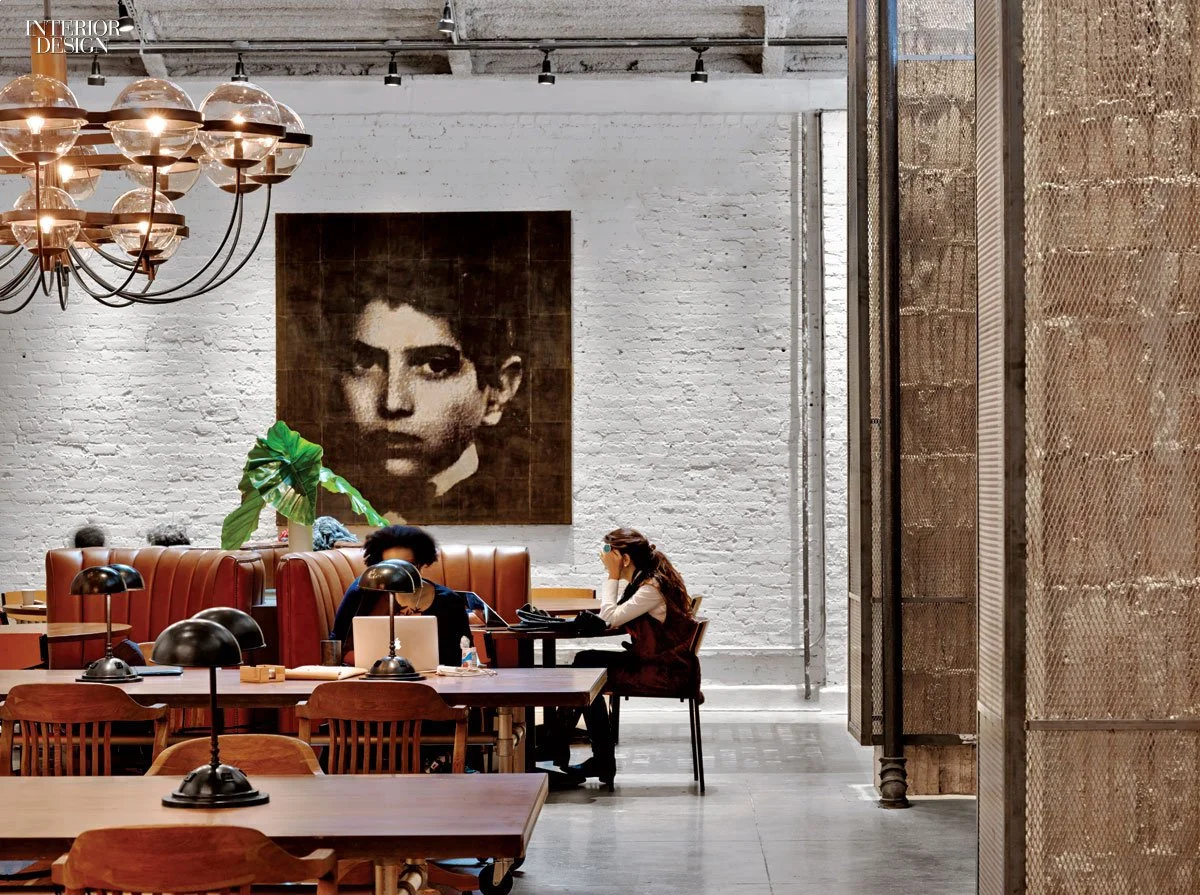
The strongest projects align concept, behavior, and operations from the start.
This is why so much hospitality language has become weak. On its own, “hospitality-driven” says almost nothing. Hospitality is not a finish palette or a mood. It is a system of care, flow, service, discretion, and reinforcement. Without that system behind it, the language becomes mimicry.
The same is true of luxury. Luxury is shifting away from decorative signals and toward coherence, restraint, quality, and judgment. It is less about announcing itself and more about being felt through materials, pacing, attentiveness, and the absence of unnecessary friction.
Wellness is going through a similar divide. In one direction, it is becoming a serious operating thesis integrated into daily life, recovery, staff reality, and long-term usability. In the other, it is collapsing into gimmick. That distinction is becoming easier to see, and much harder to hide.
“The strongest projects in this cycle will not be the ones with the longest list. They will be the ones with the clearest logic.”
Before adding anything else, owners should ask a more useful set of questions. What is the project’s real reason to exist? What does the guest/user get here that they don’t get elsewhere? Which parts of the concept will still matter in five years? What repeat behaviors is the project actually designed to support? Can operations deliver what the concept is promising, consistently and credibly?
These are not branding questions. They are value questions.
The strongest projects in this cycle will not be the ones with the longest list. They will be the ones with the clearest logic. They will be easier to understand, easier to choose, more likely to earn repeat business, and better positioned to hold value over time.
The market does not need more amenity lists. It needs better concepts. That work is easiest to do before the market decides what the project is for you.
Before the market decides what your project is, define it properly.
Vitruvius helps developers, operators, and brands shape concepts with stronger differentiation, clearer demand logic, and a more durable foundation for long-term value.